



Electrical Apprenticeship Requirements: What You Need to Get Started
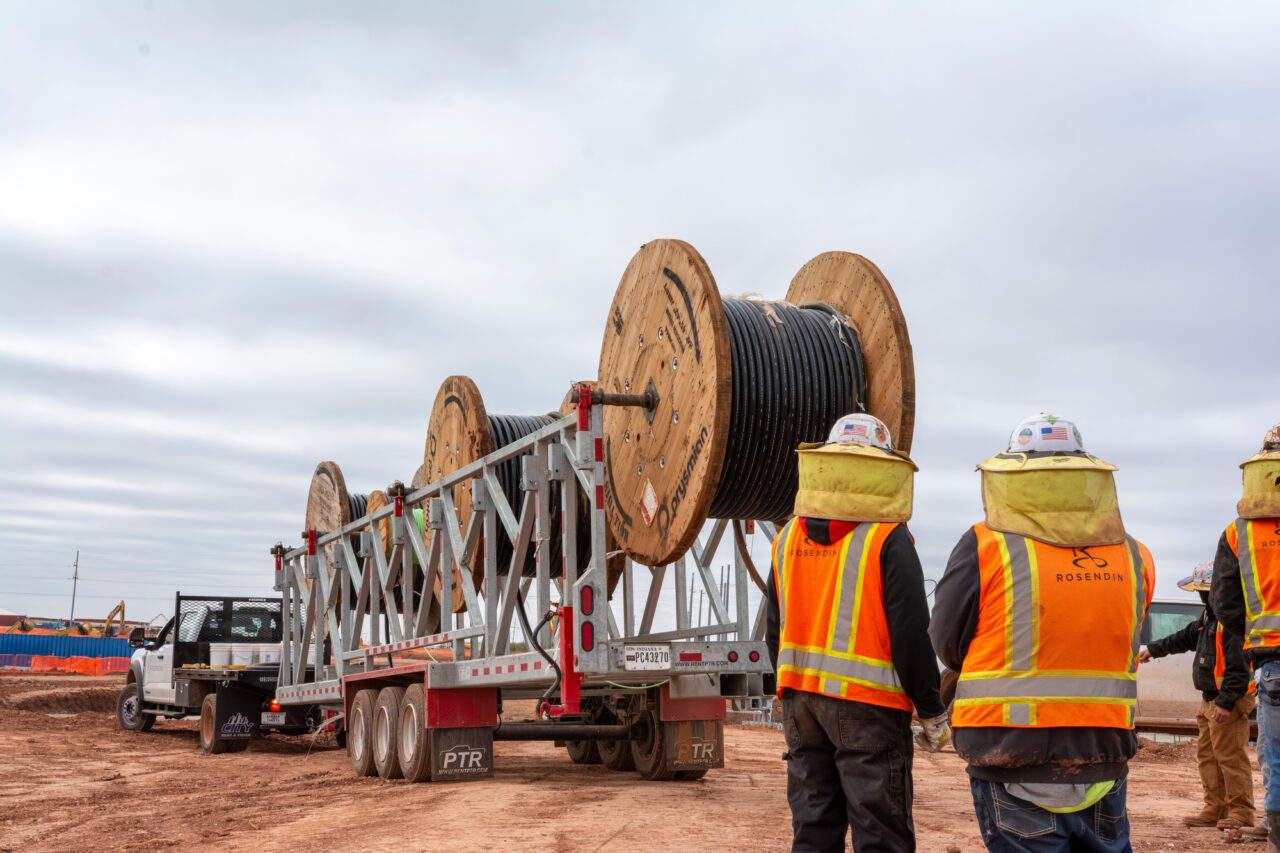
Over the past century, the people who have risen through the ranks of the electrical trade at Rosendin have built hospitals, airports, data centers, semiconductor plants, and renewable energy installations. Many of them started exactly where you are now: curious about the trade, unsure of where to begin, and looking for a path that makes sense.
At Rosendin, that path begins with an electrical apprenticeship through the Electrical Training Alliance. The program is designed to bring in motivated people, regardless of prior experience, and train them into skilled, licensed electricians over four to five years, all while paying them from day one. Low-cost tuition. No student loans. No waiting to start earning while you figure out your next move.
Below is everything you need to know about how the program works, what it takes to get started, and what you can expect on the other side.
What Qualifications Do I Need?
The basic requirements are straightforward, which is part of what makes this career path feel so accessible to many people.
- You must be at least 18 years old.
- You must have a high school diploma or GED.
- You must have completed Algebra I with a grade of C or better, and possess basic reading skills.
- You must have a valid driver’s license.
- You will need to pass a background check and drug screening.
- You should be physically able to lift 50+ pounds, climb ladders, and work in a variety of environments.
Just as important is what you do not need. You do not need prior electrical experience, a college degree, or industry connections to start your career as an electrical apprentice at Rosendin.
Do I Need Experience to Apply?
No experience is needed to get started. Rosendin’s apprenticeship program is designed to teach the trade from the ground up, so you do not need electrical knowledge before you apply. What matters most is showing up with a good attitude, a willingness to learn, and a strong work ethic.
And if math was never your favorite subject, do not let that stop you. The math you learn is practical, trade-specific, and tied directly to the work you will be doing.
Mario Flores, who started his Rosendin career through this same apprenticeship 19 years ago, is now a workforce development trainer who helps train the next generation. He often tells young people, “I was that kid who didn’t know what I wanted to do.”
How Do I Pay My Bills in the Meantime?
One of the biggest advantages of an apprenticeship is that you earn while you learn. At Rosendin, apprentices are paid from day one, so you can start building a career without putting your income on hold or taking on student debt.
As your skills grow, your wages typically increase every six to twelve months. By the time you complete the program, you may be earning close to full journeyman wages.
How Long Does It Take?
Most electrical apprenticeships take about four to five years to complete. During that time, apprentices complete hands-on training in the field alongside classroom instruction.
While it is a real commitment, each step helps you build more knowledge, confidence, and experience, giving you a steady path toward a long-term career.
What Will I Do on the Jobsite?
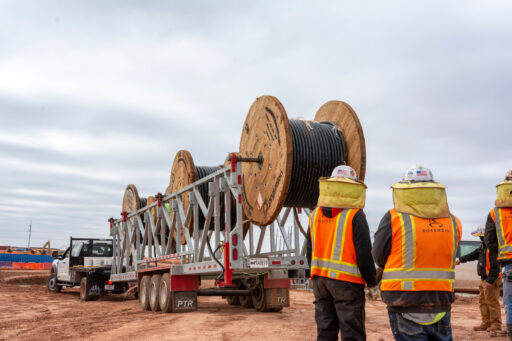
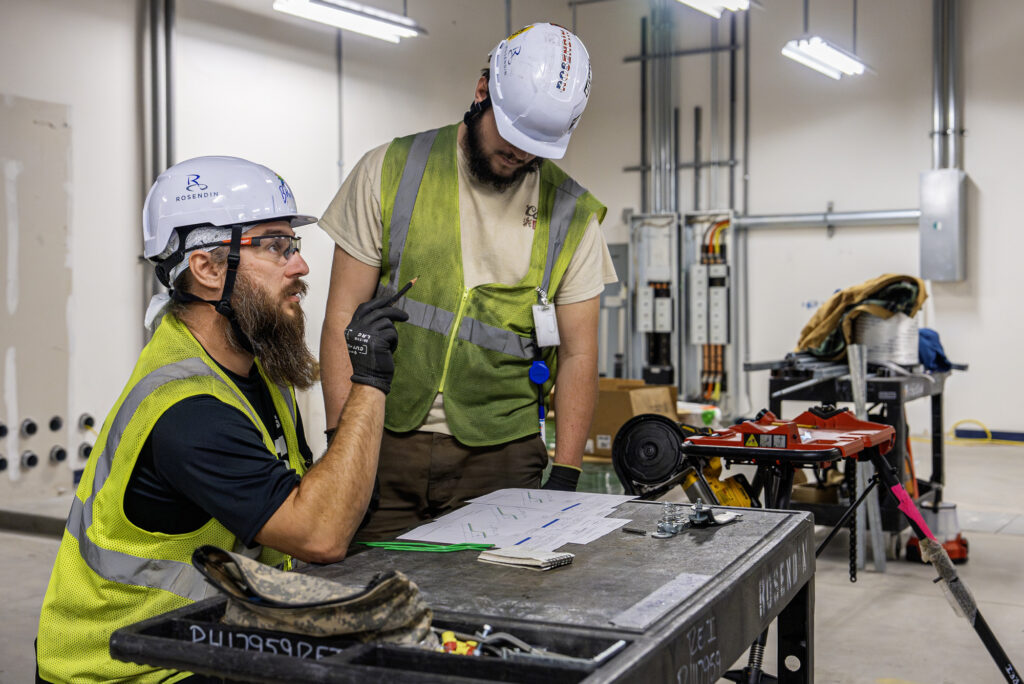
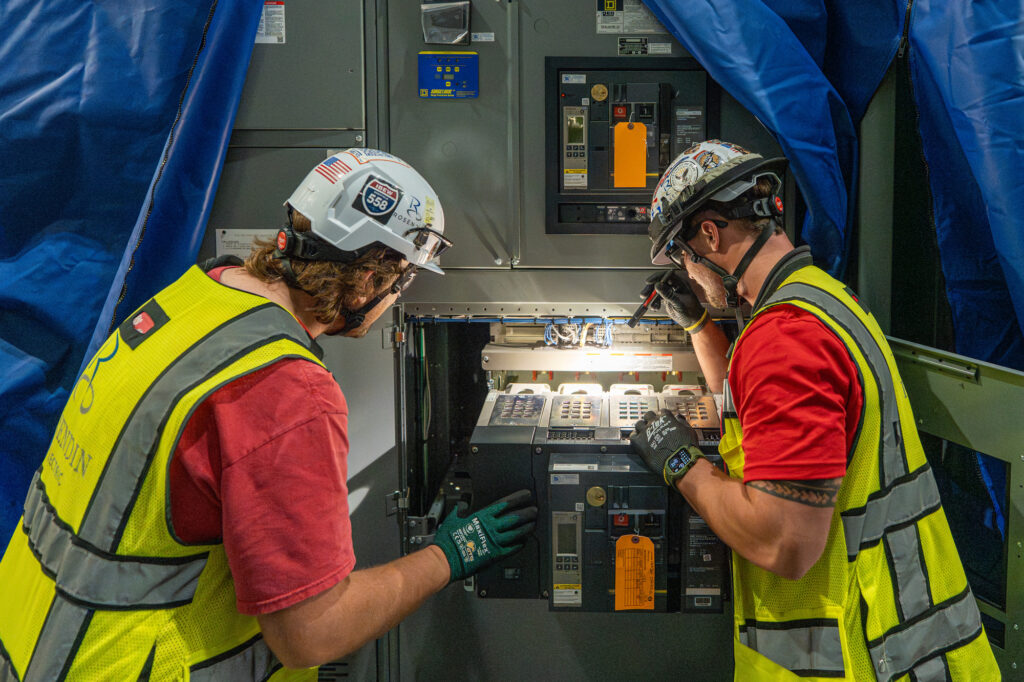
You will work full-time alongside licensed electricians who help guide you as you learn. Early on, that may include tasks such as pulling wire, installing conduit, and learning how to navigate jobsites safely and efficiently.
As your skills grow, so do your responsibilities. You are not just learning the trade in theory. You are building real skills in real working environments.
What Will I Learn in the Classroom?
Classroom training supports what you are learning in the field. Classes are often held in the evenings or on weekends and may cover electrical theory, safety practices, blueprint reading, and trade-specific math.
Because the lessons connect closely to your day-to-day work, the training is practical, relevant, and easier to apply on the job.
What Types of Projects Will I Work On?
Rosendin apprentices may gain experience across a wide range of projects: from data centers and semiconductor plants to hospitals and airports, from solar farms to manufacturing facilities. That variety helps you build a broad skill set, explore different parts of the trade, and discover where your interests fit best.
What Happens After I Finish the Apprenticeship?
After completing the apprenticeship, you can take the journeyman licensing exam. Once you pass, you can begin working as a certified electrician.
From there, your career can grow in many directions, from field leadership and advanced certifications to project management and other long-term opportunities. At Rosendin, where you start does not have to be where you stay. Workforce development trainer Mario Flores puts it this way: “No matter where you begin, we don’t put a ceiling on you.”
Rosendin’s employee ownership model also gives team members the opportunity to build long-term value as part of a growing company, helping them invest not only in their careers but also in their futures.
Why Choose an Apprenticeship?
An apprenticeship can offer many advantages for people seeking a direct, practical path into a career.
- No additional student debt
- Immediate income
- Strong job stability
- Hands-on, practical learning
- A clear path for career advancement
At its core, an electrical apprenticeship at Rosendin offers a way to build a stable, well-paying career while gaining real-world experience. With straightforward entry requirements, paid training, and steady wage growth, it can be a strong option for people ready to work hard and build something lasting.
Within four to five years, you can be on the path to becoming a licensed electrician with meaningful earning potential and long-term career opportunities.
Want to Take the Next Step?
Interested in starting your electrical career at Rosendin? Learn more about current openings and get connected to your local apprenticeship program here.