


How Carlie Turner Built a Career in One of Construction’s Most Technical Sectors
Carlie Turner did not plan to build semiconductor fabs. She has a degree in civil engineering and an MBA. She played Division One soccer in college. She chose construction over design because she wanted to be on the jobsite, not behind a computer. She applied to Rosendin, got the job, and was assigned to a semiconductor project in Omaha on her very first day.
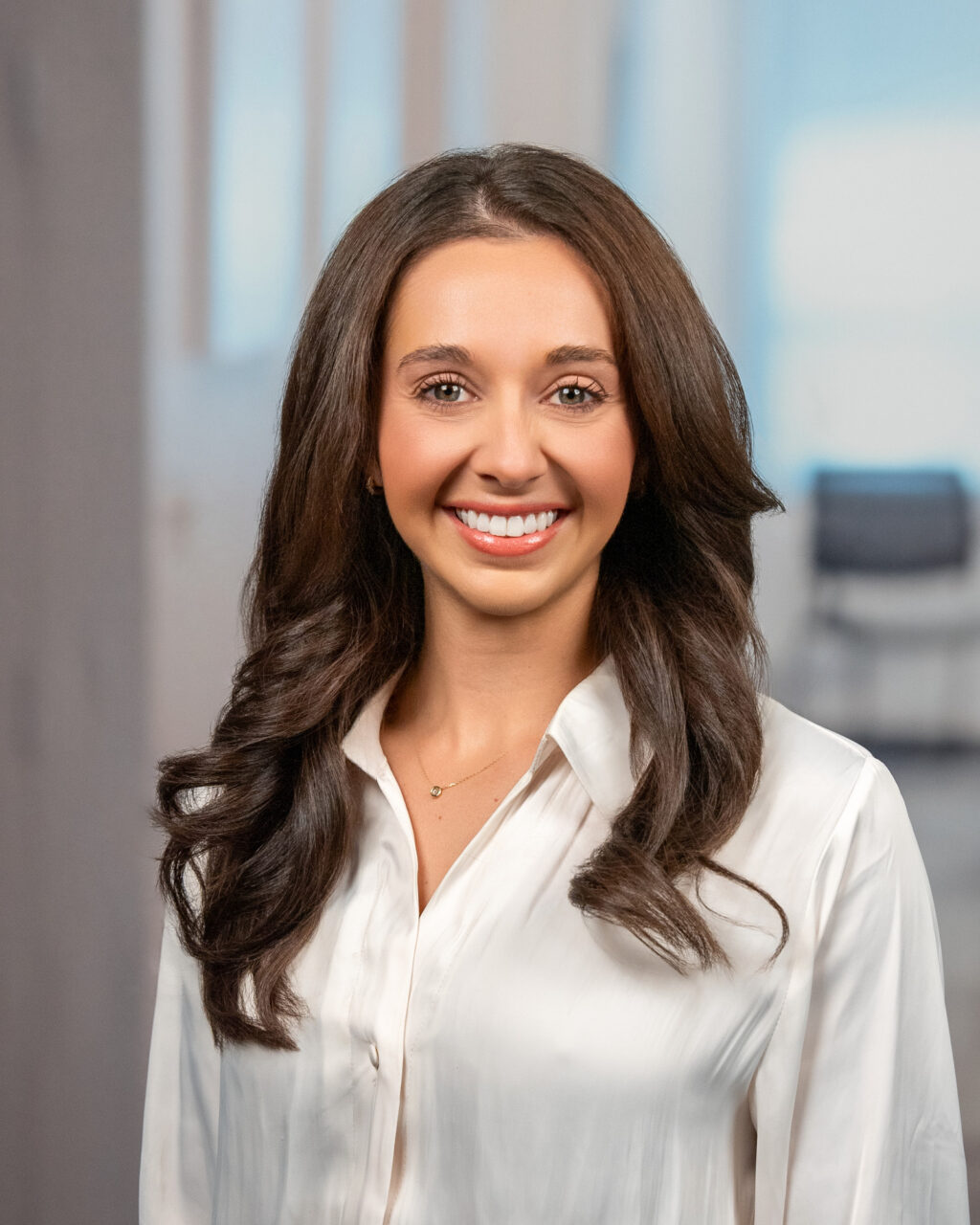
“I knew nothing about semiconductors or chips, and then I just got put on that project when I started. That’s kind of how I learned it all, just kind of by chance in Omaha, Nebraska.” – Carlie Turner, Director of Semiconductor Operations, Rosendin
Six years later, she is Rosendin’s Director of Semiconductor Operations, leading the Center of Excellence the company built to grow its presence in one of the most in-demand and technically complex sectors in construction. She talks about the semiconductor market with the enthusiasm of someone who came to it unexpectedly and never looked back. And she is direct about something that matters for anyone thinking about where to build a career right now: the work is not going anywhere.
“Chips are in everything that you use. They’re already in your computers, your phone, your car, and your lawn equipment. And with AI, that’s the big driver right now. These chips need to be built in the United States. It’s a huge national security issue. So yeah, that’s the big push.” – Carlie Turner, Director of Semiconductor Operations, Rosendin
What Semiconductor Construction Actually Is
When most people hear the word semiconductor, they picture something small. A chip. A circuit board. Something measured in nanometers. What actually goes into making those chips is anything but small.
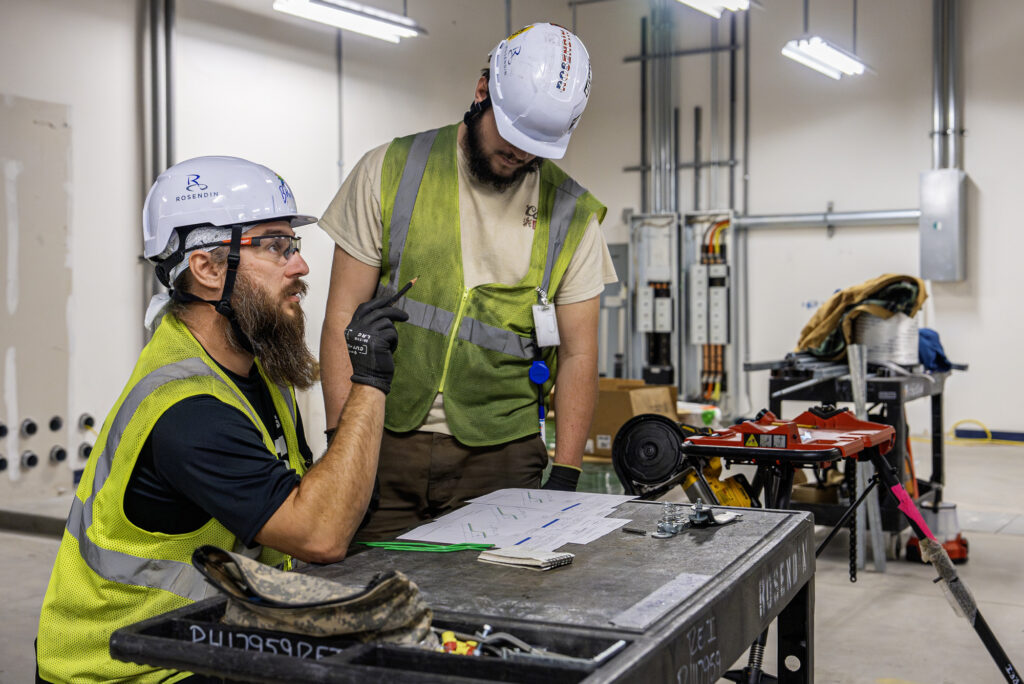
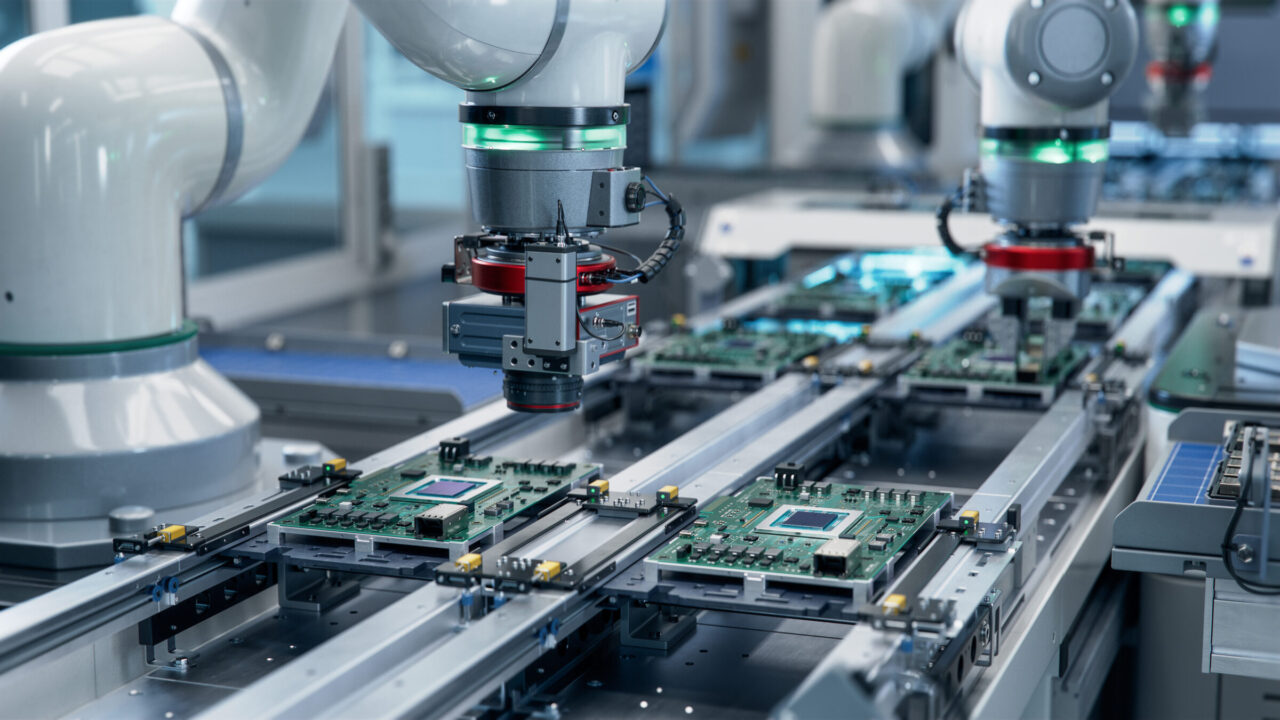
A semiconductor fabrication facility, called a fab, is a campus of massive buildings built to extraordinarily precise specifications. Inside the manufacturing floor, thousands of specialized machines, called tools, process silicon wafers through a long sequence of controlled steps. Wafers move between machines on automated robots. The process involves chemicals, optics, heat, and tolerances so tight that conduit installation is often specified to within a quarter inch of the digital building model.
Rosendin’s role on a fab project can span every phase of that construction: the shell buildings, the chemical delivery systems, the wastewater infrastructure, and the tool installation on the manufacturing floor itself. It is high-stakes, technically demanding work. And according to Carlie, it has an outsized effect on the people who do it.
“Once you get the experience of doing semiconductor and construction, you can do anything. The best of the best are doing semiconductor. You can do anything else after that if you’ve got this down.” – Carlie Turner, Director of Semiconductor Operations, Rosendin
That reputation carries weight in the broader construction industry. Contractors and project managers who have worked inside fabs are considered among the most capable people in the field because the work demands it.
Why the Market Is Growing and Why It Is Not Slowing Down
The semiconductor market has two major forces driving demand, and both are structural rather than cyclical.
The first is artificial intelligence. Every AI application, every data center built to run those models, and every device that interacts with AI infrastructure runs on chips. The demand for those chips has outpaced existing manufacturing capacity, and building more fabs is not optional. It is a requirement.
The second is the CHIPS and Science Act, which brought massive domestic capital investment into semiconductor manufacturing on American soil. Global chip makers that previously concentrated production overseas are now building U.S. facilities at pace. Roughly 70 percent of capital expenditure in the sector is currently directed into the United States, and Carlie tracks that build-out running through 2030 with no signs of contraction.
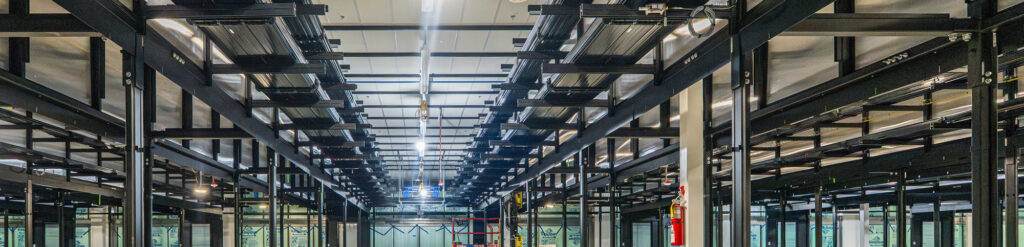
Some of Rosendin’s semiconductor client relationships have run for 30 to 40 years. Job sites that were active before Carlie was born are still active today. Because semiconductor technology evolves so rapidly, tool installations are often replaced within a few years of completion, and the installation, upgrade, and reinstallation cycle simply does not end. As Carlie describes it:
“Really, they don’t ever get completed, because the technology changes so quickly. You can’t even build a fab fast enough to stay on top of the new technology.” – Carlie Turner, Director of Semiconductor Operations, Rosendin
In central Texas alone, major clients are building campuses that are not expected to reach full operation for 20 years. When Carlie talks about tracking her project pipeline 10 years out, it is not ambition. It is standard operating procedure in this market.
Why Rosendin Is Investing in People Before the Work Arrives
Semiconductor construction requires a level of expertise that cannot be developed in a few weeks. The specialized knowledge required for tool installation, chemical systems, and the operational rhythm of an active fab takes years to build. Rosendin recognized that early, and it is one of the reasons the Center of Excellence exists.
“We’re hiring now for jobs we know are coming in 2030. It takes specialized talent to build the fabs. It takes a long time for everyone to learn what’s going on. We’re investing money ahead of time so that we’re ready when the contracts do come through.” – Carlie Turner, Director of Semiconductor Operations, Rosendin
The practical side of that investment looks like this: Rosendin sends people from newer markets to established semiconductor sites in Arizona, covering their living expenses for months so they can train alongside the company’s most experienced crews. The summer internship program places students directly on active semiconductor projects. And the Center of Excellence that Carlie leads creates a shared body of knowledge that allows the company’s most experienced people to pass what they know to the next generation in a structured way.
For someone at the beginning of their career, that kind of investment from a company is not a given. Rosendin is making a bet on people before the work they need those people for has been contracted. That says something about how the company sees its relationship with the people who work inside it.
“It’s a great market for our company to be in because of how it develops leaders. The jobs are big, they’re high-risk, and the contract management style is unique. In itself, it’s a great development tool for our future leaders and our future field leads.” – Carlie Turner, Director of Semiconductor Operations, Rosendin
How to Enter the Semiconductor Space at Rosendin
Carlie is straightforward about the path in, whether someone is a college student, a recent graduate, or an experienced tradesperson looking to develop a specialty.
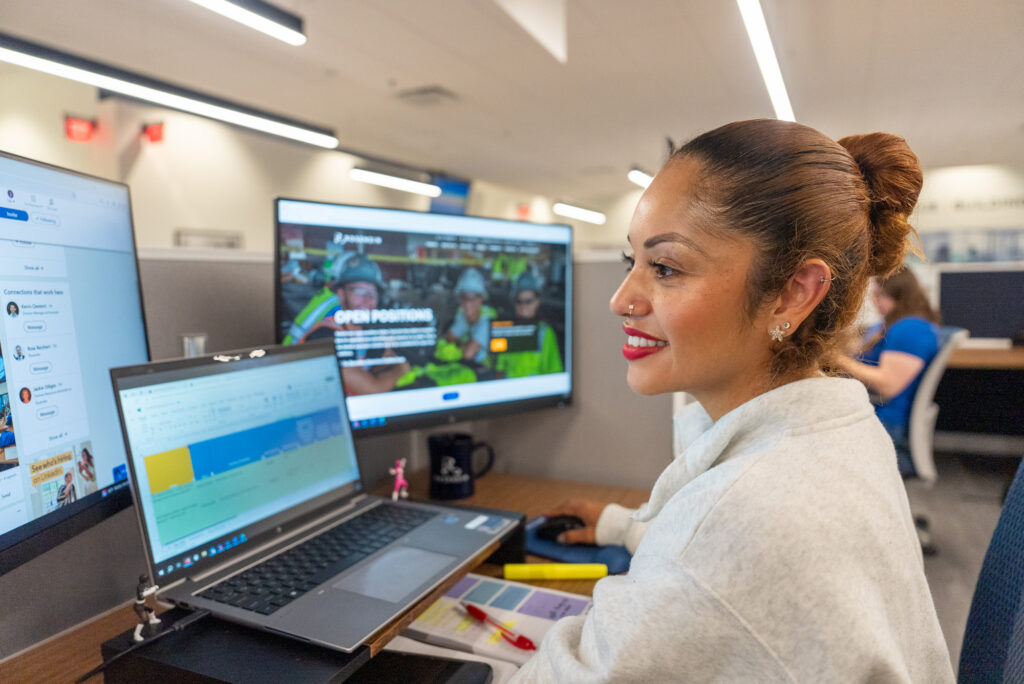
For students pursuing construction management or engineering, the summer internship is the most direct entry point. Rosendin recruits on campuses and posts openings online. For anyone with a specific interest in semiconductor work, Carlie recommends stating it directly in the interview.
“If someone said they want to go to a semiconductor job, we can easily make that happen. That would be music to a lot of people’s ears.” – Carlie Turner, Director of Semiconductor Operations, Rosendin
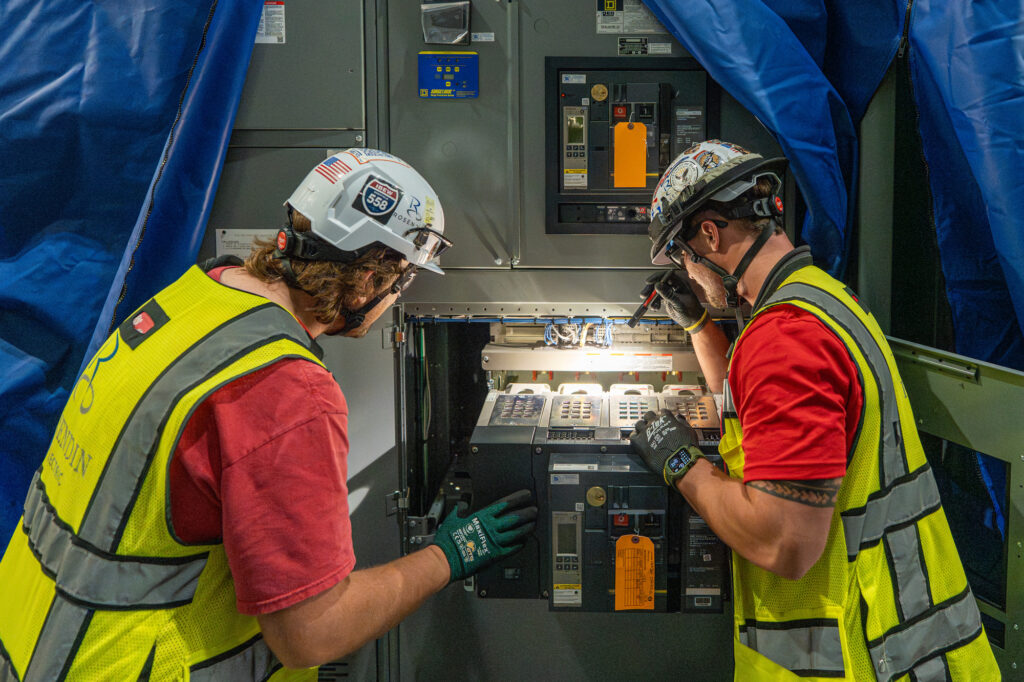
For those in the trades, the path is equally direct. Semiconductor fabs need skilled electricians, and the demand for craft workers in this space is substantial and sustained. Owners in Arizona and elsewhere have partnered with technical schools to create certification programs that give workers a foundation in semiconductor-specific work. That path is not a traditional four-year degree and not a standard apprenticeship. It is a focused credential built for a specialized environment.
Carlie’s broader advice to anyone at a crossroads about where to build a career is consistent regardless of which path they are on.
“There are so many paths right now that they’re trying to get people the experience and knowledge to work in this market. You can’t really go wrong with any of them.” – Carlie Turner, Director of Semiconductor Operations, Rosendin
A Culture Worth Staying For
Carlie has been with Rosendin since 2019. She stepped away from semiconductor work for a stretch when a data center opportunity emerged and returned to the fab space when this role opened. When asked what keeps people at Rosendin through the demands of work like this, her answer does not center on compensation or career advancement. It centers on the people.
“I love the people that I work with. It’s just a great company, full of really good people. I think that’s why people stay for a long time. They’re happy when they come to work every day. The culture it creates is that people really care about the company and they care about each other.” – Carlie Turner, Director of Semiconductor Operations, Rosendin
For someone looking at where to build a long career in construction, that combination matters. The semiconductor market is not going to slow down. The demand for people who can do the work will only grow. And at Rosendin, the opportunity to develop genuine expertise in one of the most technically demanding sectors in the industry sits inside a company built by and for the people who work in it.
Carlie’s path is proof of what that looks like. Six years in, she is leading work she knew nothing about when she started. That is what Rosendin builds. Not just fabs. Careers.