



What It Actually Means to Own a Piece of This Company
Most people who take a job at Rosendin know they are joining the largest employee-owned electrical contractor in the country. What fewer people understand, especially in their first year or two, is what that actually means for them personally. Not in theory. In their account. In their retirement. In what becomes possible for them and their family because of where they chose to work.
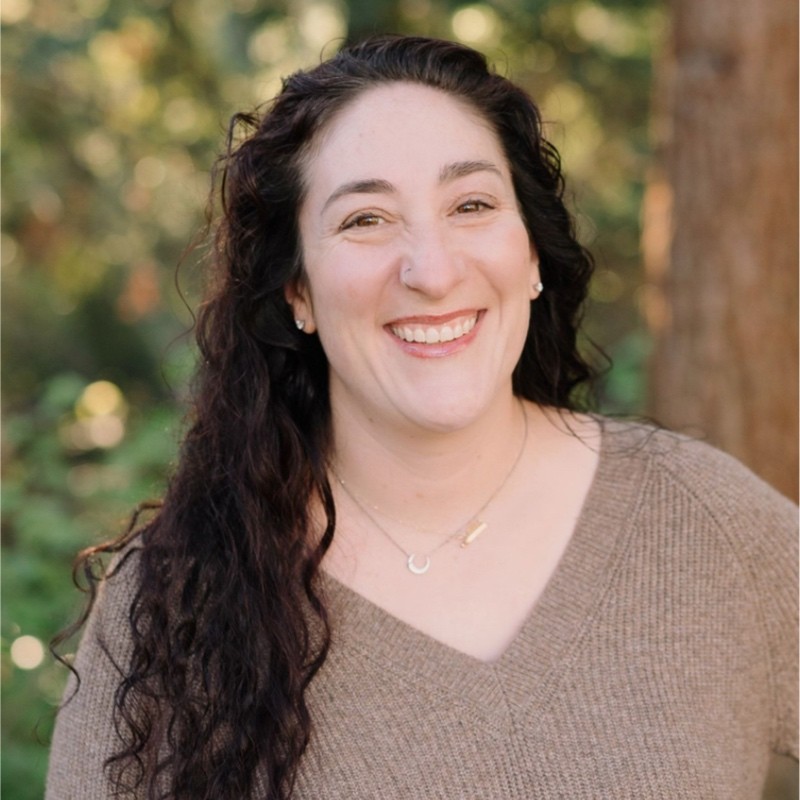 Laura Isaacs is Rosendin’s ESOP Administrator. She has spent nearly a decade working with employee-owned companies, came up through HR, and now sits in finance, where she oversees the plan that has been building wealth for Rosendin’s people since 1992. She describes the ESOP in two layers and is deliberate in explaining both.
“There’s the ESOP, which functions as a retirement plan. Those are the benefits given to you on your behalf by the company that you pay nothing for. The other part I always talk about is the culture piece. You can’t have an ESOP without the other side of a good culture and knowing what it means to embody employee ownership. The two go hand in hand.” – Laura Isaacs, ESOP Administrator, Rosendin
Understanding both layers is where the real picture comes into focus. The retirement plan is the financial mechanism. The culture is what makes it meaningful. And for the people who have been at Rosendin long enough to see both at work, the combination changes how they think about showing up every day.
The Financial Reality: What the ESOP Is and How It Works
The mechanics of the ESOP are worth understanding plainly. Every eligible Rosendin employee-owner receives an annual allocation of company shares as part of their compensation package. Nothing is deducted from a paycheck. The company funds the plan entirely on the employee’s behalf.
Each year, the share price is calculated based on an independent valuation of the company. As Rosendin grows and performs well, the share price increases, and so does the value of every employee-owner’s account. When someone retires or leaves the company, their accumulated shares are converted to cash at the current share price.
One of the most common misconceptions about ESOPs, Laura notes, is that the benefits concentrate at the top of the organization. The IRS prevents exactly that. Compensation used to calculate ESOP allocations is capped, meaning no one person can accumulate a disproportionate share of the plan at the expense of others.
“Everybody gets the exact same percentage. That is employee ownership. That is being equitable.” – Laura Isaacs, ESOP Administrator, Rosendin
Doing your job well, treating the people beside you with care, flagging a better way to do something when you see one: all of it feeds the plan. All of it is ownership in practice.
What It Looks Like When It Becomes Real
The ESOP has a way of existing in the background of a career, accumulating quietly, until one day it is no longer background noise. Laura describes a conversation she had with a longtime Rosendin employee who was approaching retirement. As she remembers it, the person told her:
“Originally, I thought this ESOP was just something in the back of my mind. Now, as I get toward retirement, I look at this and say this is now possible for me because of what Rosendin put into my ESOP. I never imagined, I never dreamed what my retirement could look like. And because of what I have been given absolutely free, my chance at a much better retirement life for my family and me is there.” – Rosendin employee-owner, as recalled by Laura Isaacs
Laura pauses at that story every time she tells it. It is her purpose, as she describes it, to help people understand what they are building before they reach the end of their careers and realize it is too late to fully appreciate it. The earlier someone grasps what the ESOP actually represents, the more intentional they can be about the choices that feed it.
Through whatever path someone arrives at Rosendin, whether building a first career, changing trades, or joining from another contractor, the ESOP works the same way for everyone. Five years in, the account is real. Ten years in, it is meaningful. Twenty years in, it is the kind of number that changes what retirement looks like. And all of it comes from one thing: showing up and doing the job well.
Why Employee Ownership Produces a Different Kind of Company
Rosendin has been employee-owned since 1992. In 2027, the plan reaches its 35th anniversary. Over those three and a half decades, the company has grown from a regional electrical contractor into a national organization with 12,000 employee-owners working on projects across the country. The people who founded the ESOP could not have imagined what it would become.
Employee-owned companies are structurally different from publicly traded ones. When outside shareholders are in the picture, profits flow out to investors. At Rosendin, those profits stay inside the company and reach the people doing the work. That alignment has real consequences beyond the retirement account.
Research on employee-owned companies consistently shows greater stability during economic downturns, a stronger tendency to keep jobs local, and deeper investment in the communities they serve. During COVID, when most of the construction industry contracted, Rosendin did not slow down. Laura points to that directly.
Rosendin also runs its community giving through the Rosendin Foundation, its nonprofit arm, which directs resources into the communities where the company operates. For Laura, the connection between employee ownership and community investment is not incidental. Being owned by the people who do the work creates a different relationship to the places those people live and build.
“We get to be employee-owned and have a nonprofit piece that goes back directly to the communities that we serve. What better way to show that than by what the Foundation does?” – Laura Isaacs, ESOP Administrator, Rosendin
What Employee Ownership Asks of You
The responsibility that comes with being an employee-owner is simpler than most people expect. It is not about dramatic gestures or going above and beyond every day. It is about the small, steady choices that add up over a career.
“It’s about the little things. Doing your job to the best of your ability. Adhering to our core values. Recognizing another employee who’s done something really awesome. If you see something, say something. It doesn’t have to be negative. It can be positive. Not being afraid to be vulnerable and take risks. An idea, a thought, a different way to do something. Those are all parts of being an employee-owner and helping to feed this thing to let it thrive.” – Laura Isaacs, ESOP Administrator, Rosendin
What It All Comes Down To
In 1992, when Ray Rosendin and the company’s founders decided to sell, they sold it to the people who made it what it was. Laura keeps that decision in mind every day she comes to work.
“My goal is to leave Rosendin better than when I found it. When my time comes to leave, hopefully at retirement, I want to give it to the next generation of employee-owners and say, look at what we’ve created. Now it’s your turn.” – Laura Isaacs, ESOP Administrator, Rosendin
That is what it means to own a piece of Rosendin. Not a slogan. Not a perk. A retirement built on the work, and a company built on the people who do it.